

balance
1000 women share their perimenopause stories
In an email I recieved FROM HER SUBSTACK,
Dr. Mary Claire Haver writes:
“When I invited women to share their perimenopause stories, I anticipated a handful of responses. Instead, nearly 950 women responded, pouring out experiences that were raw, personal, and remarkably consistent.
This is more than anecdote. It is lived data, and it tells us what medicine has failed to measure: perimenopause is not simply the winding down of reproduction. It’s a whole-body transition that can upend a woman’s health for years and set the trajectory for decades to come.”
*Scroll down to continue reading about what was shared in this survey. Otherwise, enjoy the following material curated here for your edification.
the METABOLIC
power of THOUGHT
BOOK AND PODCAST LIBRARY
YOU ARE NOT BROKEN
YOU ARE NOT BROKEN

unPAUSED
unPAUSED
PEPTIDES FOR WOMEN
PEPTIDES FOR WOMEN
-
![]()
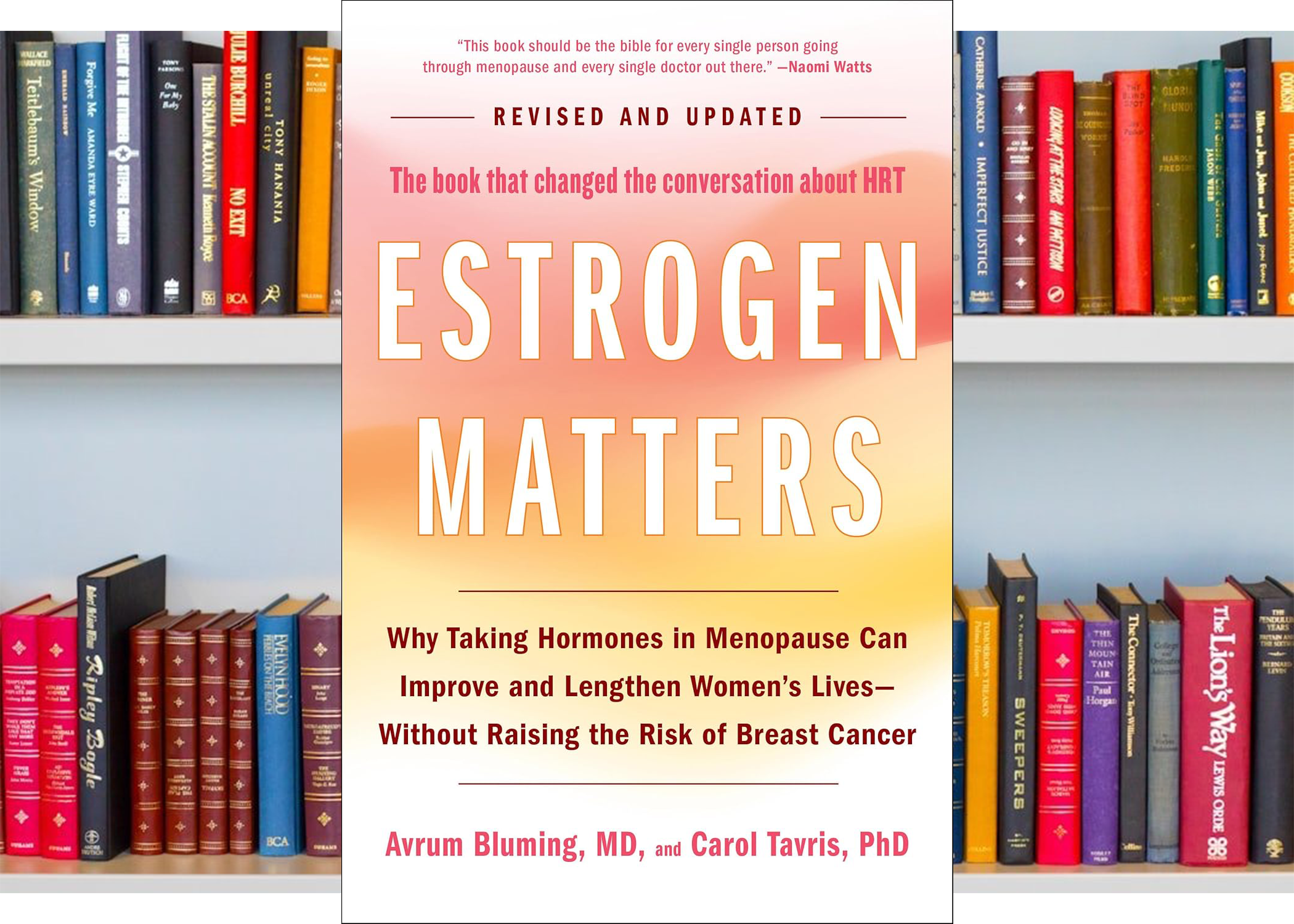
ESTROGEN MATTERS
AVRUM BLUMING, MD and CAROL TAVRIS, PhD
-
![]()
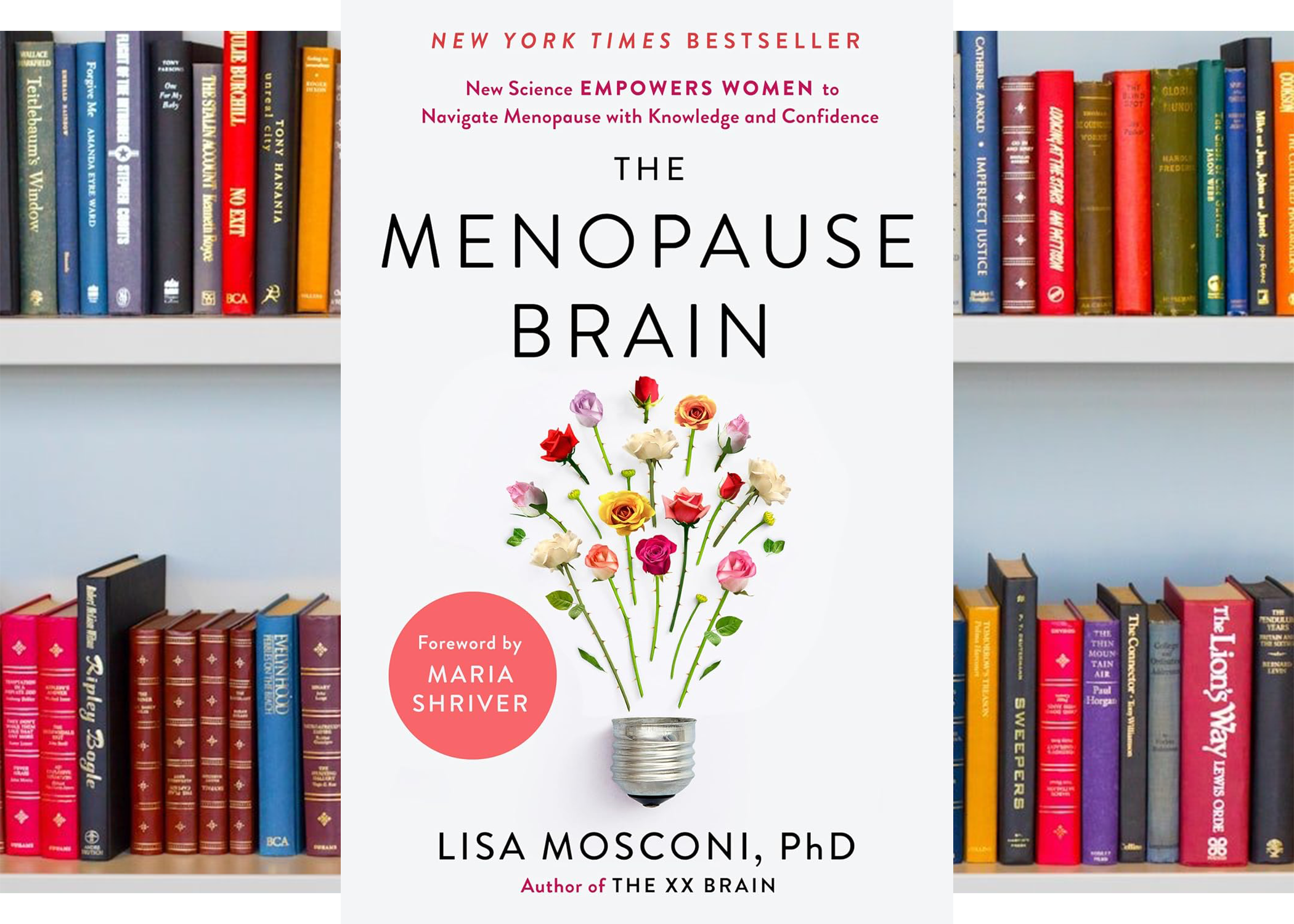
The Menopause Brain
LISA MOSCONI, PhD
-
![]()
The New Menopause
MARY CLAIRE HAVER, MD
-
![]()
Come As You Are
EMILY NAGOSKI, PhD
-
![]()
Dare I Say It
NAOMI WATTS
-
![]()
THE OBSTACLE IS THE WAY
RYAN HOLIDAY
-
![]()
WINTERING
KATHERINE MAY
-
![]()
JOYSPAN
DR. KERRY BURNIGHT
-
![]()
ESSENTIALISM
GREG MCKEOWN



CONTINUED FROM TOP:
by Dr. Mary Claire Haver
The Numbers We Cannot Ignore: Perimenopause Symptom Data
Out of 943 unique stories, here’s what women reported most often:
Sleep disturbances: 86%
Weight gain and redistribution: 83%
Neurological changes (migraines, brain fog, dizziness): 83%
Psychological symptoms (depression, anxiety, rage, panic): 82%
Fatigue: 81%
Vasomotor symptoms (hot flashes, night sweats): 75%
Skin, hair, and nail changes: 73%
Musculoskeletal pain (joints, muscles, stiffness): 71%
Sexual dysfunction (vaginal dryness, painful sex, low libido): 69%
Gastrointestinal issues (bloating, diarrhea, constipation): 62%
Heart palpitations: 52%
Dry or itchy eyes: 46%
👉 Sidebar Fact: Perimenopause is not “just hot flashes.” More than 80% of women in this survey reported neurological, psychological, and metabolic symptoms.
The Science Behind Perimenopause Symptoms
Perimenopause is not the gentle, linear decline many of us were taught. Instead, the ovaries “go out fighting.” Estradiol can swing from levels typical of pregnancy to near zero in the same week. FSH rises erratically. Progesterone output falters earlier, removing one of the brain’s key calming influences.
These fluctuations destabilize systems throughout the body:
Brain: Estradiol modulates serotonin, dopamine, and GABA. Fluctuations drive mood swings, rage, and the phenomenon many describe as “not feeling like myself.”
Cardiovascular system: Loss of estrogen alters vascular tone and lipid metabolism. Women experience palpitations, rising LDL, and redistribution of fat to the abdomen.
Musculoskeletal system: Estrogen receptors in bone and muscle mean decline accelerates bone resorption and contributes to sarcopenia.
Skin and connective tissue: Collagen production falls rapidly, showing up in skin thinning, hair changes, and joint pain.
Genitourinary system: Lower estrogen reduces blood flow and elasticity in vaginal and urethral tissues, leading to dryness, pain, and urinary dysfunction.
👉 Sidebar Fact: Women lose up to 20% of their bone density in the first 5–7 years after menopause.
The Emotional Thread
The numbers are sobering, but the words women used are what stay with me: “I thought I was losing my mind.” “My doctor said I was too young.” “I don’t feel like myself anymore.” “No one warned me this could happen.”
These are not isolated feelings. They are a collective echo of being blindsided, dismissed, or told to wait it out.
Why Perimenopause Matters for Long-Term Health
Perimenopause is not just a disruptive season of symptoms. It is also a critical window for prevention.
Metabolic health: Declining estrogen worsens insulin resistance and lipid profiles, increasing risk for type 2 diabetes and cardiovascular disease—the leading killer of women.
Bone health: Estrogen loss accelerates bone turnover, driving early osteoporosis.
Brain health: Estradiol influences memory circuits and neuroprotection. Perimenopause may be a tipping point for later dementia risk.
Sexual health: Untreated vaginal and vulvar atrophy progresses, eroding intimacy and quality of life.
👉 Sidebar Insight: Cardiovascular disease is the #1 killer of women, and risk accelerates after menopause.
This is why I order labs in my clinic. Not expensive, misleading “menopause panels,” but evidence-based markers that matter for a woman’s future: cholesterol, triglycerides, glucose, insulin resistance, HbA1c, vitamin D, and bone density scans. We are not just treating today’s hot flashes. We are building the next 30 years of health.
What Needs to Change in Menopause Care
The tragedy is not that these women are experiencing symptoms. The tragedy is that they are experiencing them without support.
Doctors care deeply about their patients, but as a recent provider survey confirmed, 62% of clinicians cite lack of training as the biggest barrier to menopause care. This is not an individual failure—it is a systemic one.
👉 Sidebar Fact: 92% of providers surveyed said more menopause training is urgently needed.
Medical education must change. Menopause needs to be a required part of every specialty curriculum, not an elective footnote. Clinical guidelines must be updated and taught. Research must expand beyond reproduction into the full systemic effects of hormone decline.
Until then, women will continue to fill out surveys like mine, writing nearly 1,000 stories of fatigue, rage, migraines, palpitations, and despair. Stories that could have been different if we had listened sooner.
The Takeaway
If you ae in perimenopause and feel invisible, please know this: you are not alone. Hundreds of women took the time to write their stories, and in doing so, they wrote yours too.
This is not just biology. It is a movement. And we will not stop until women receive the evidence-based, symptom-driven care they deserve.
[We all must do our part to stay informed. Come, be an agent of change with us. All you have to do is be aware.]
SILVER GYPSY? SEND ME YOUR PICTURE!